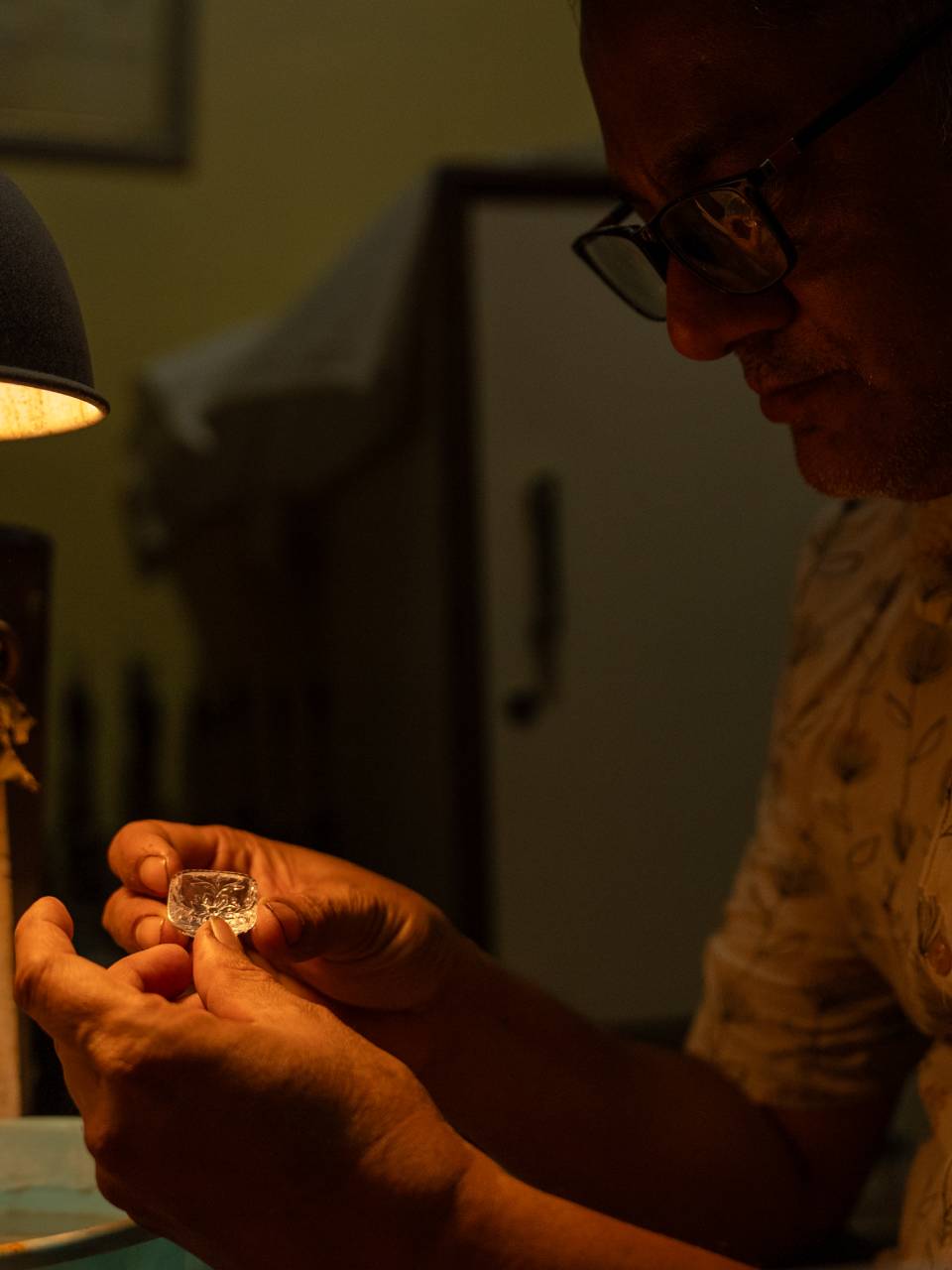
Raja Man Singh Ji invited 5 Sikh Sardars from Afghanistan to start Meenakari (enameling work) in Amber, laying the foundation of Jaipur’s jewellery traditions.
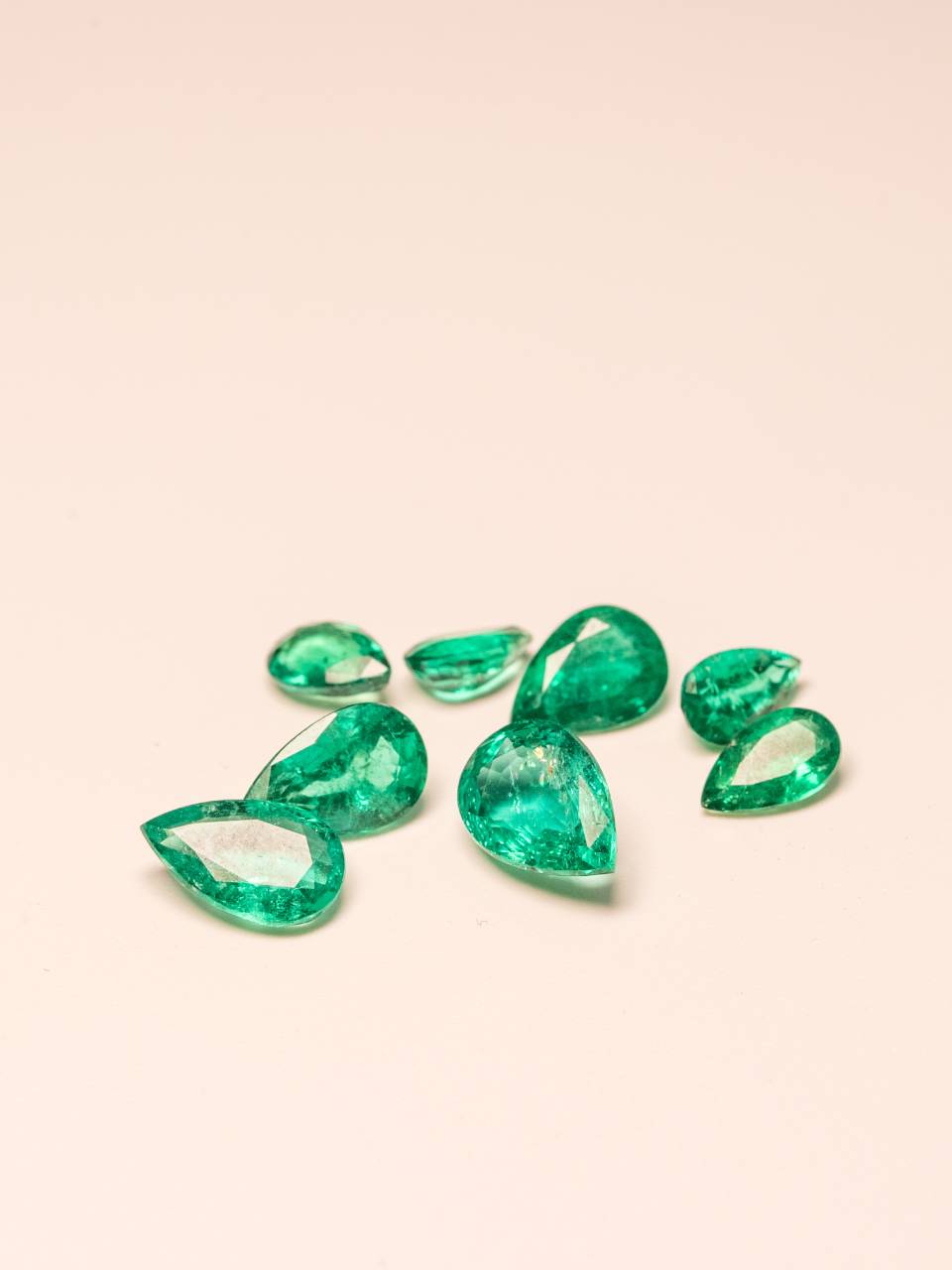
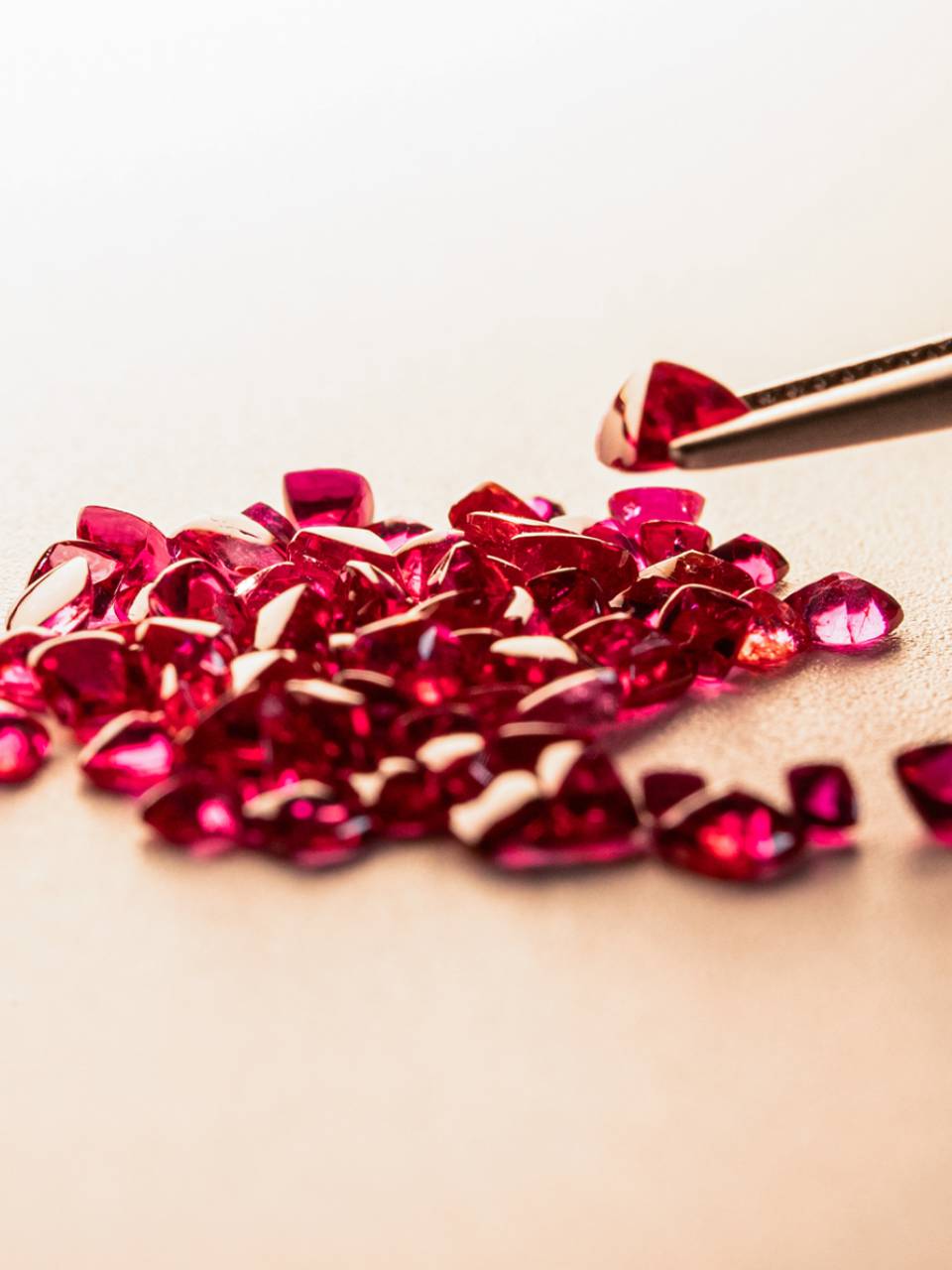
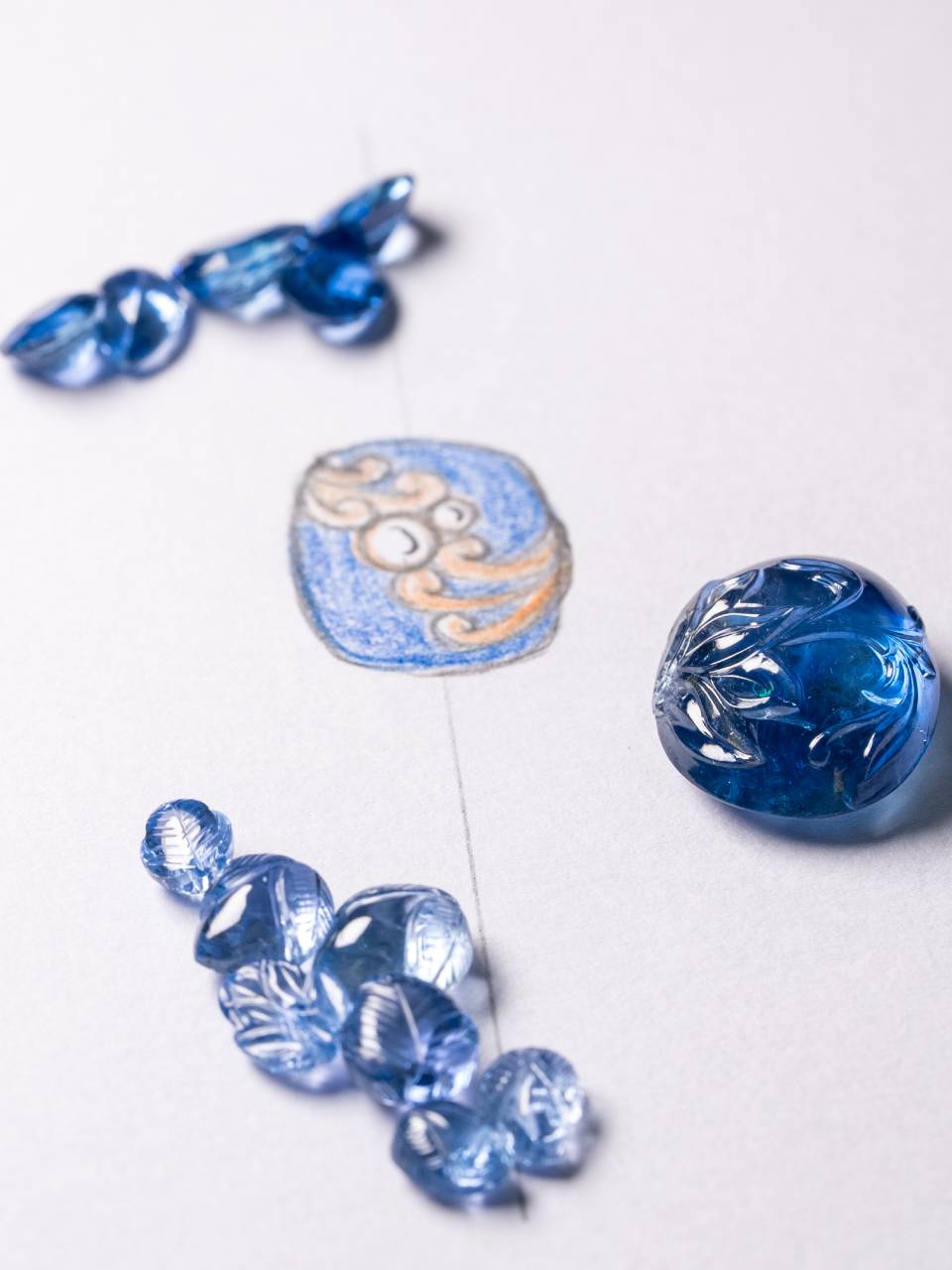
Jaipur was established by Maharaja Sawai Jai Singh Ji. Jewellers from Delhi, Agra, and Calcutta invited to settle in the new city. 8–10 prominent families in Jaipur trace their roots to this invitation. Precious stones like Moti, Panna, Ruby, Emerald, Sapphire, and the Navratna (9 gems) began flowing into Jaipur.
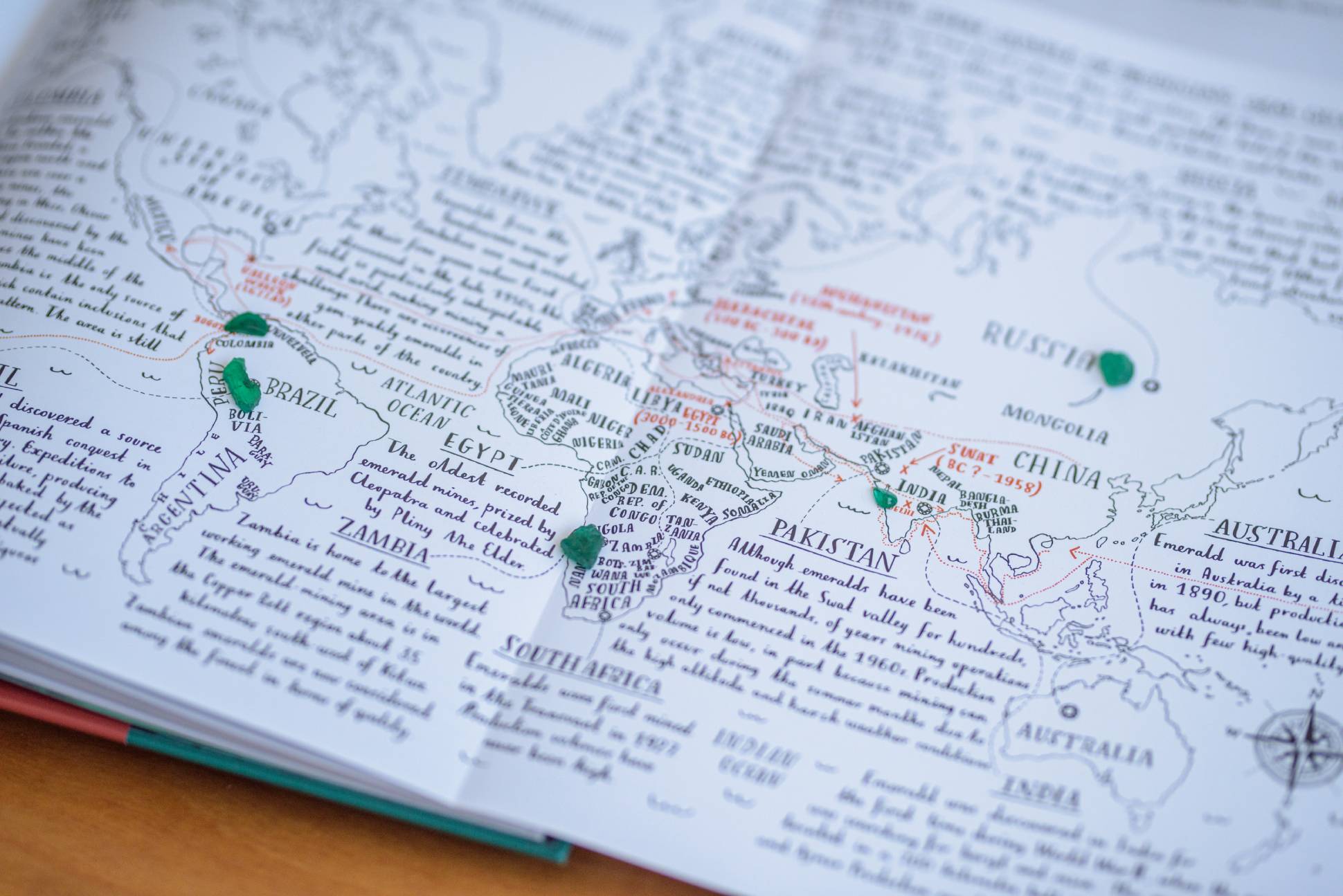
Emeralds from Colombia. Rubies from Burma. Sapphires from Gulf & beyond.
Among the merchant families invited by the Maharaja were the Rawats, originally from Kaladera in Rajasthan. They were granted residences near the royal mint, an area still known as Chandi ki Tiksal (the Silver Mint). Their settlement marked the beginning of a long association between the Rawat family and Jaipur’s gem and jewellery trade.
M/s Maliram Puranmal Rawat
Establishing the Legacy
Named after Mr. Maliram Ji Rawat and his son Mr. Puranmal Ji Rawat (Karan’s great-grandfather), M/s Maliram Puranmal Rawat became the foundation of the family’s business presence in Jaipur. The firm built its reputation on integrity, fine craftsmanship, and trusted trade relationships, contributing to the city’s emerging role as a key gemstone centre.
Jaipur was established by Maharaja Sawai Jai Singh Ji. Jewellers from Delhi, Agra, and Calcutta invited to settle in the new city.
8–10 prominent families in Jaipur trace their roots to this invitation. Precious stones like Moti, Panna, Ruby, Emerald, Sapphire, and the Navratna (9 gems) began flowing into Jaipur. Emeralds from Colombia. Rubies from Burma. Sapphires from Gulf & beyond.
The formation of the Gem & Jewellery Export Promotion Council (GJEPC) marked Jaipur’s official recognition as the country’s coloured stone capital. By this time, exports reached approximately ₹4.5 crore in diamonds and ₹5 crore in coloured gemstones. Jaipur, alongside Bangkok, emerged as a twin global hub for coloured stone artistry and trade.

Founder, Geminent
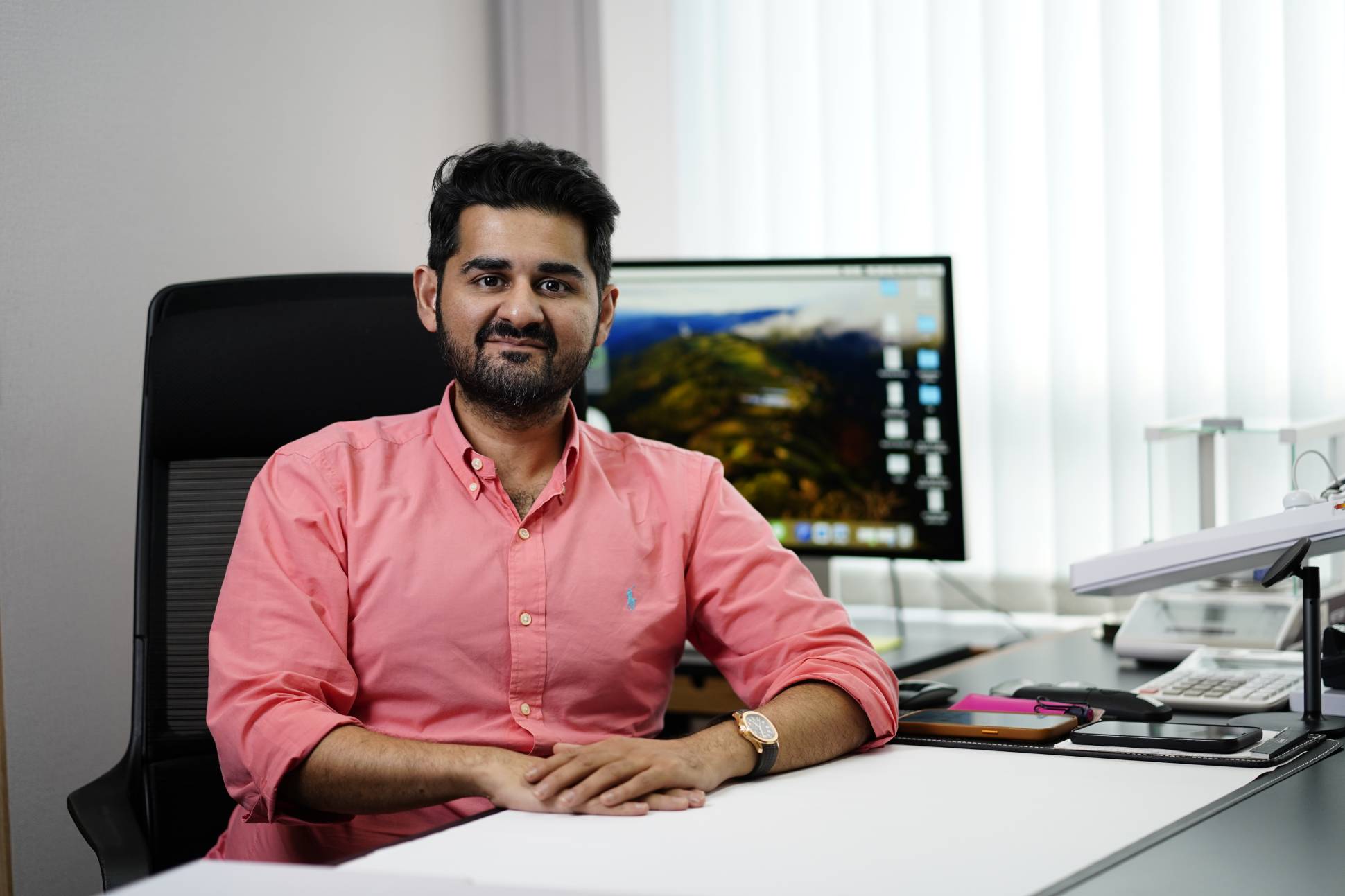
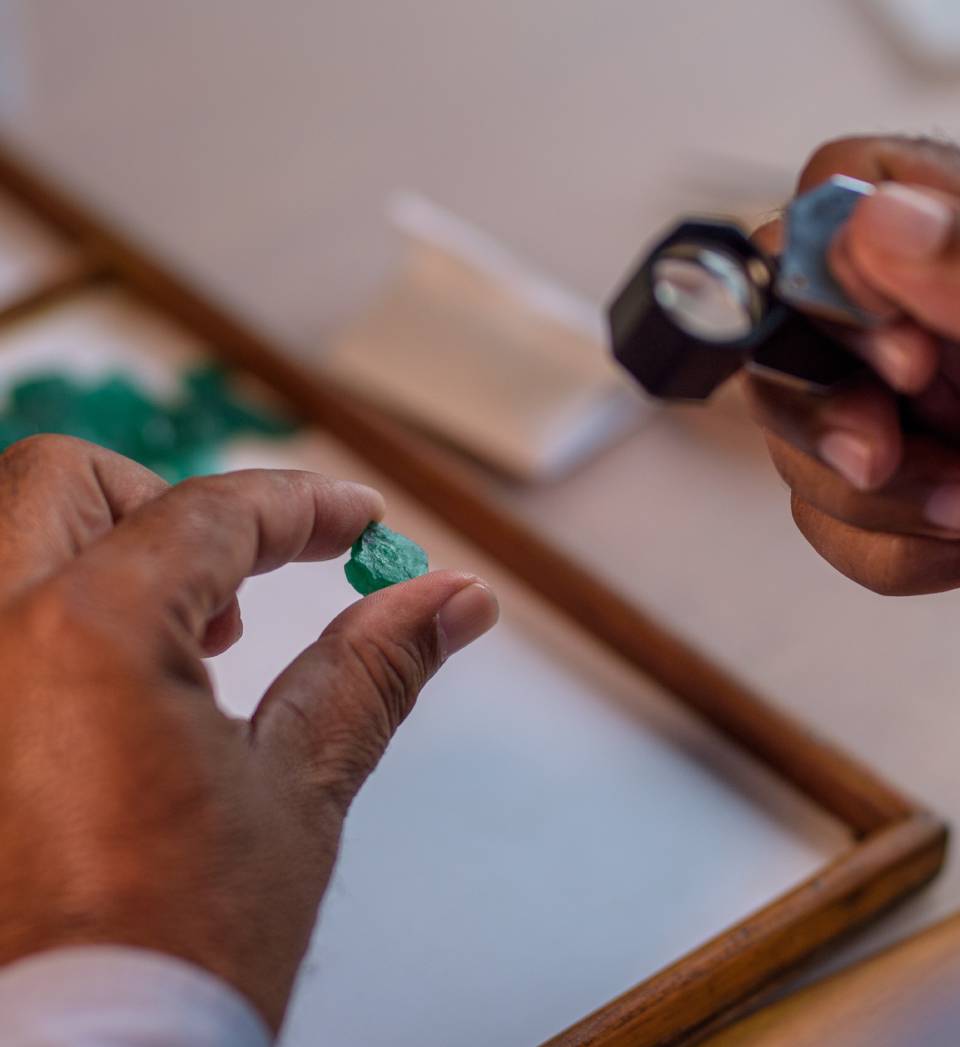
Karan Rawat grew up surrounded by gemstones, carrying forward an eleven-generation legacy in Jaipur’s jewellery trade. After studying Business Management in the U.K. and earning his Diamond Graduate degree from G.I.A. in New York, he set out to combine global expertise with his family’s heritage. Over the years, Karan has worked across New York, Jaipur, Mumbai, Hong Kong, and Bangkok, shaping every part of the business – from sourcing rough stones and crafting them into jewels, to showcasing collections at international exhibitions. His passion lies in turning nature’s raw treasures into timeless pieces, while building lasting relationships with clients around the world.
At Orologio, we believe that time is the most valuable resource, one that should be celebrated with every passing second. Our theme captures the essence of luxury and precision giving you a front-row seat to the art of time.
Ten generations of artistry, preserving the legacy of Jaipur’s jewellery craft.